
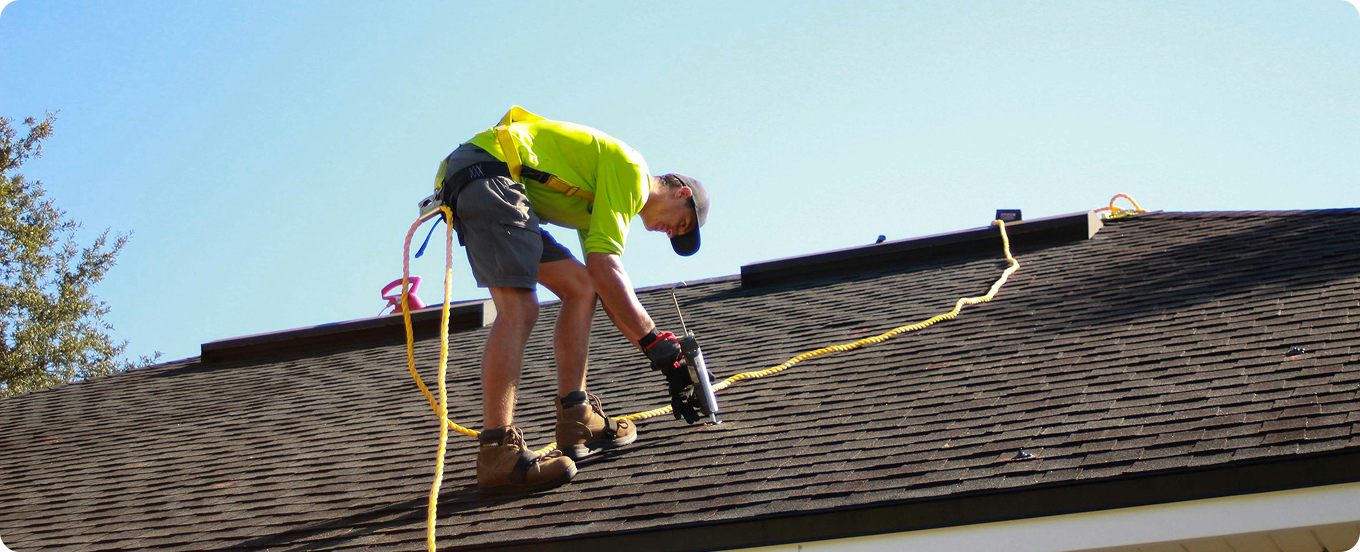
Roofing is a trade defined by mobility. When a hailstorm rips through Dallas or a hurricane makes landfall on the Gulf Coast, roofing companies from across the region converge on the damage zone to capture the surge in demand. The companies that arrive first with valid licenses, qualified personnel, and the ability to pull permits immediately are the ones that capture the most profitable work. The ones that need to find a qualifier and get licensed after the storm are weeks behind, watching the best opportunities go to their competitors.
This mobility dynamic makes the roofing license qualifier role fundamentally different from most other trades. A plumbing qualifier typically operates in one or two states over the course of their career. An HVAC qualifier may gradually expand into neighboring markets. A roofing qualifier who understands the storm-chasing side of the business may hold licenses in five, six, or more states and activate them based on where weather events create demand.
Whether you’re a roofing company looking to bring on a qualifier or a licensed roofer exploring how to leverage your credentials, understanding how the roofing qualifier role works and what makes it different from other trades is essential.
GET IN TOUCH
Start Connecting Today
Sign up now to join the network or request a licensed qualifier.
The Storm-Response Dynamic: Why Roofing Qualifiers Think in Maps
Most construction trades operate within a defined geography. A general contractor in Nashville builds in Nashville. An electrical contractor in Atlanta serves the Atlanta metro. The work is tied to the local market, and the qualifier’s credentials need to cover that market.
Roofing works differently. A significant portion of the roofing industry follows weather events. Hailstorms, hurricanes, tornadoes, and high-wind events create sudden, concentrated demand for roofing services in specific geographic areas. The damage is localized, the demand is intense, and the window of peak profitability is short, typically measured in weeks or a few months.
Companies that specialize in storm response maintain a portfolio of licenses across multiple states so they can mobilize wherever the next event occurs. The roofing qualifier is the person who makes this possible. Their license in a given state is what allows the company to pull permits and perform work there, and a qualifier who holds credentials in multiple storm-prone states is the linchpin of a company’s storm-response strategy.
This is why roofing qualifiers think in terms of geographic coverage. Instead of asking “which company should I work with,” the strategic question is “which states should I be licensed in to maximize my value to companies that follow storm work?” The answer usually starts with the Gulf Coast and Southeast: Florida, Louisiana, South Carolina, North Carolina, Alabama, and Georgia. From there, it extends to hail corridor states across the Midwest and Great Plains, and to tornado-prone regions throughout the South.
The Economics of Pre-Positioning: Why Maintaining Licenses Before Storms Hit Pays Off
One of the most important strategic decisions in the roofing qualifier market is whether to maintain licenses in storm-prone states year-round or try to get licensed reactively after an event occurs. The economics overwhelmingly favor pre-positioning.
Getting licensed in a new state takes time. The application process, exam scheduling, background checks, bonding, and insurance verification can take weeks to months depending on the state. After a major storm, licensing boards in affected states may see a surge in applications, which can slow processing times further. By the time a company gets through the process, the most profitable urgency-driven work, the immediate repairs, the insurance-funded replacements, the customers desperate for someone with a valid license, has already been claimed by companies that were ready.
The cost of maintaining a qualifier in a state where the company isn’t actively working is real but modest compared to the revenue a storm event can generate. Monthly qualifier compensation in a dormant market might run $1,500 to $2,500. A single storm event can generate hundreds of thousands of dollars in revenue for a company that’s positioned to respond immediately. The math on pre-positioning is straightforward, and the companies that dominate storm-response roofing understand this calculation intuitively.
For qualifiers, the pre-positioning dynamic creates a specific type of opportunity. Companies will pay to maintain your credentials in a state even during quiet periods, because your license is what lets them activate operations instantly when conditions change. A qualifier who holds roofing credentials across multiple storm-prone states has a built-in value proposition that generates steady income regardless of whether a storm hits in any given month.
How Roofing License Classifications Vary State to State
One of the challenges roofing qualifiers face is that states classify roofing work in fundamentally different ways, and understanding these differences is essential for building a multi-state qualifier portfolio.
Standalone roofing license states. Some states issue a specific roofing contractor license that covers roofing work as its own category. Florida, for example, issues a Certified Roofing Contractor (CCC) license through its Construction Industry Licensing Board. This is a distinct license with its own exam, experience requirements, and qualifying agent designation. Other states have similar standalone roofing categories, though the specific requirements vary.
Roofing under the general contractor umbrella. Many states don’t have a separate roofing license. Instead, roofing work falls under the general contractor license when the project value exceeds the state’s licensing threshold. In these states, a roofing company needs a general contractor qualifier whose credentials cover the scope of roofing work. The exam the qualifier takes may cover broad construction knowledge rather than roofing-specific content, and the experience requirements are measured against general construction rather than roofing alone.
Specialty contractor classification. Some states include roofing as one of several specialty contractor classifications under a broader licensing framework. The roofing specialty may have its own exam and experience requirements, or it may share requirements with other exterior trades like siding and waterproofing. Arizona’s ROC system, for example, has specific residential and commercial roofing classifications within its broader classification structure.
Locally regulated states. In states like Georgia and Ohio, where general contracting (including roofing) is regulated at the local level rather than the state level, the requirements vary by jurisdiction. A roofing company operating across multiple counties may face different licensing requirements in each one.
This classification patchwork means a roofing qualifier can’t assume that the credentials covering roofing in one state will map cleanly onto another state’s requirements. A qualifier licensed specifically as a roofing contractor in Florida may need to obtain a general contractor license in a neighboring state where roofing falls under the GC umbrella. Building a multi-state roofing qualifier portfolio requires researching each target state’s classification system and understanding what type of license the company needs.
What It Takes to Qualify
The specific requirements for a roofing qualifier vary by state and classification, but several common elements appear across most jurisdictions.
Experience in roofing installation, repair, and replacement is the baseline. Most states require at least three to five years of documented experience, with some portion at a supervisory level. The experience should involve the types of roofing systems the company works with: asphalt shingles, metal roofing, flat/low-slope commercial systems, tile, slate, or specialty roofing. States that license roofing under a general contractor classification may require broader construction experience beyond roofing alone.
Examinations test both trade knowledge and business management. In states with standalone roofing licenses, the trade exam covers roofing materials, installation methods, safety practices, moisture management, ventilation, flashing, and applicable building codes. In states where roofing falls under the GC license, the trade exam is broader. All states require a business and law component covering contracting law, project management, and state-specific regulations.
Bonding and insurance requirements are standard across most states. The qualifying agent should verify that the company maintains all required coverage continuously. For roofing companies that operate in multiple states, the insurance and bonding requirements in each state must be met separately.
Safety credentials matter more in roofing than in most other trades. OSHA fall protection standards apply directly to roofing operations, and roofing has one of the highest injury and fatality rates in the construction industry. While safety certifications aren’t always a formal licensing requirement, a roofing qualifier who prioritizes safety compliance and ensures the company follows OSHA standards is protecting both the company’s workforce and their own professional standing.
The Roofing Qualifier’s Oversight Responsibilities
The responsibilities of a roofing qualifier have the same core elements as any other trade: licensing compliance, project oversight, permit coordination, and regulatory communication. But a few aspects of roofing work create specific oversight considerations.
Weather-driven urgency changes the pace. When a storm hits and the company mobilizes, the qualifier needs to be available for rapid permit pulling, quick decisions on project scope, and responsive communication with the company’s field teams. The normal cadence of weekly check-ins or monthly reviews compresses during storm-response periods, and the qualifier should be prepared for higher-intensity involvement during these windows.
Multi-state operations require tracking. A roofing company working across three or four states simultaneously has active licenses, insurance requirements, bonding obligations, and permit processes in each one. The qualifier (or qualifiers, if the company uses different individuals in different states) needs to track compliance across all active jurisdictions.
Material and method compliance varies by climate. Roofing codes and best practices differ based on geography. Wind uplift requirements in hurricane zones are different from hail resistance requirements in the Midwest. Energy efficiency requirements for roofing in hot climates differ from moisture management priorities in wet climates. The qualifier should understand the specific code requirements and material standards that apply to the regions where the company operates.
Regulatory and Civil Exposure
The roofing qualifier’s personal exposure follows the standard regulatory and civil framework. On the regulatory side, the applicable licensing board can discipline the qualifier for violations that occur under the company’s license, including suspension or revocation. On the civil side, financial responsibility for defective roofing work, water intrusion damage, or property damage generally falls on the licensed entity, with the qualifier facing personal exposure only in cases of their own negligent supervision, fraud, or knowingly allowing unlicensed work.
Roofing has some characteristics that make the liability discussion worth specific attention. Storm-response work happens fast, involves high volumes of projects in compressed timeframes, and sometimes attracts companies more focused on speed and revenue than on quality and compliance. A roofing qualifier who attaches their name to a company that cuts corners during storm season is taking on elevated risk. The qualifier agreement should clearly define quality expectations and give the qualifier authority to reject substandard work practices.
Compensation and Market Dynamics
Roofing qualifier compensation typically ranges from $2,000 to $4,500 per month per state, depending on the license classification, the company’s size, and the scope of the qualifier’s responsibilities. During active storm-response periods, some companies offer temporary increases or bonus structures tied to project volume.
The strongest earning potential for roofing qualifiers comes from holding licenses in multiple storm-prone states. A qualifier with credentials in Florida, the Carolinas, Georgia, Alabama, and Louisiana has a coverage map that aligns with the most active hurricane and severe storm corridors in the country. Adding hail-prone states expands the coverage further. Each state represents an additional income stream, and the pre-positioning value of maintaining those licenses year-round means the income is steadier than the weather-dependent project flow might suggest.
Getting Started
For licensed roofers interested in the qualifier role, the first step is confirming your credentials meet the requirements in your target states. If your state licenses roofing as a standalone trade, check whether neighboring states do the same or require a general contractor license instead. Building your multi-state portfolio strategically, starting with the states most likely to generate storm-response demand, maximizes your value.
For roofing companies that need a qualifier, speed matters. Whether you’re pre-positioning for storm season or responding to an event that’s already happened, getting a qualifier in place quickly is the difference between capturing demand and missing it.
Licensing Connection specializes in connecting roofing companies with experienced, vetted qualifiers across all 50 states. Most clients are matched within 48 hours, and every placement is backed by a 14-day guarantee.
Roofing licensing requirements vary by state. The information in this guide reflects general patterns across the industry. Always verify specific requirements with your state’s licensing authority before making licensing decisions.
Written by the Licensing Connection team based on experience facilitating roofing qualifier placements across all 50 states. This guide is for informational purposes and does not constitute legal advice. Verify requirements with your state’s licensing authority before making decisions.

